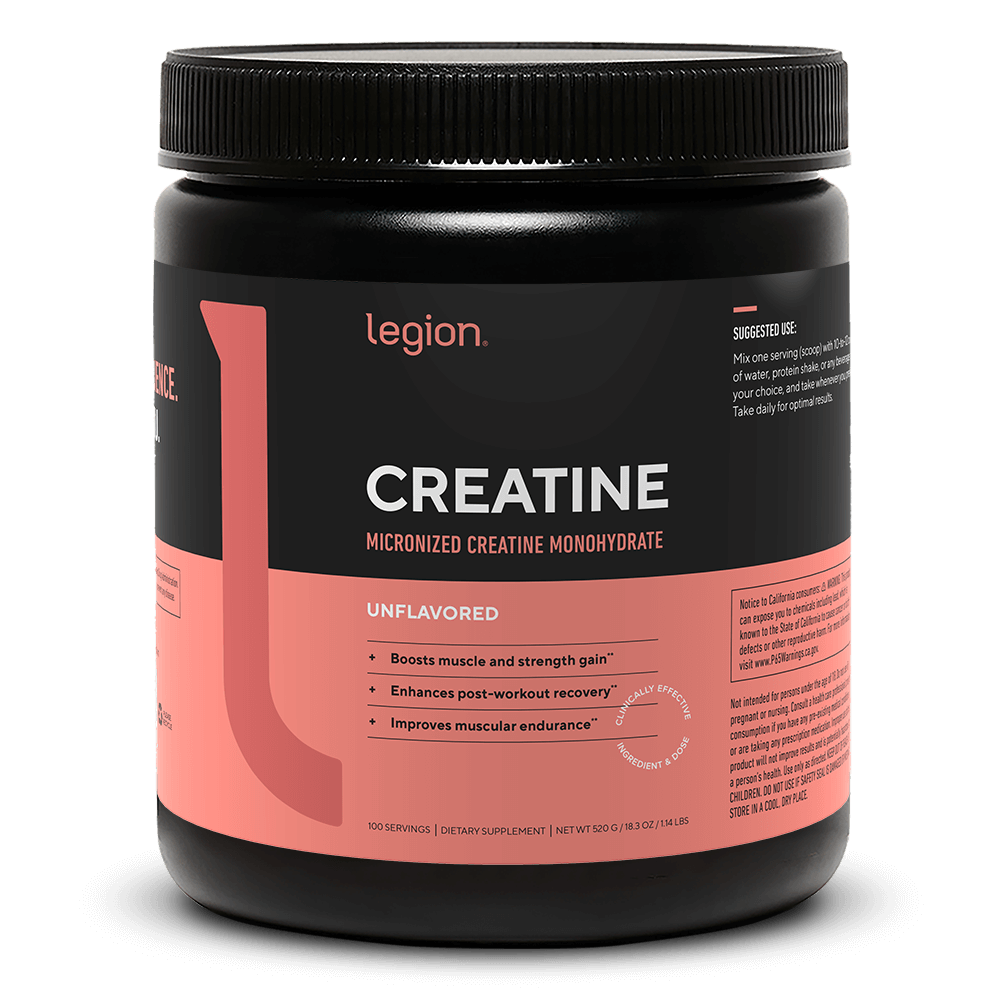
Our pick
Legion Creatine Monohydrate
Micronized Creatine Monohydrate
- Micronized creatine monohydrate - the form with the evidence
- Third-party tested
- No proprietary blend
Code nunopa — BOGO 50% off your first order
Read the full review →Guides, research reviews, comparisons, product recommendations and FAQs for creatine.
This page covers what creatine does and how to dose it. If you have read enough and just want to know which tub to put in the basket, the comparison page ranks what is worth buying on purity, third-party testing and cost per 5 g serving.
See the creatine comparison and our pick →We no longer earn commission on any competing supplement brand on this page. The only supplement link we earn from is Legion, below — so you can weigh our ranking above knowing exactly where our money comes from.
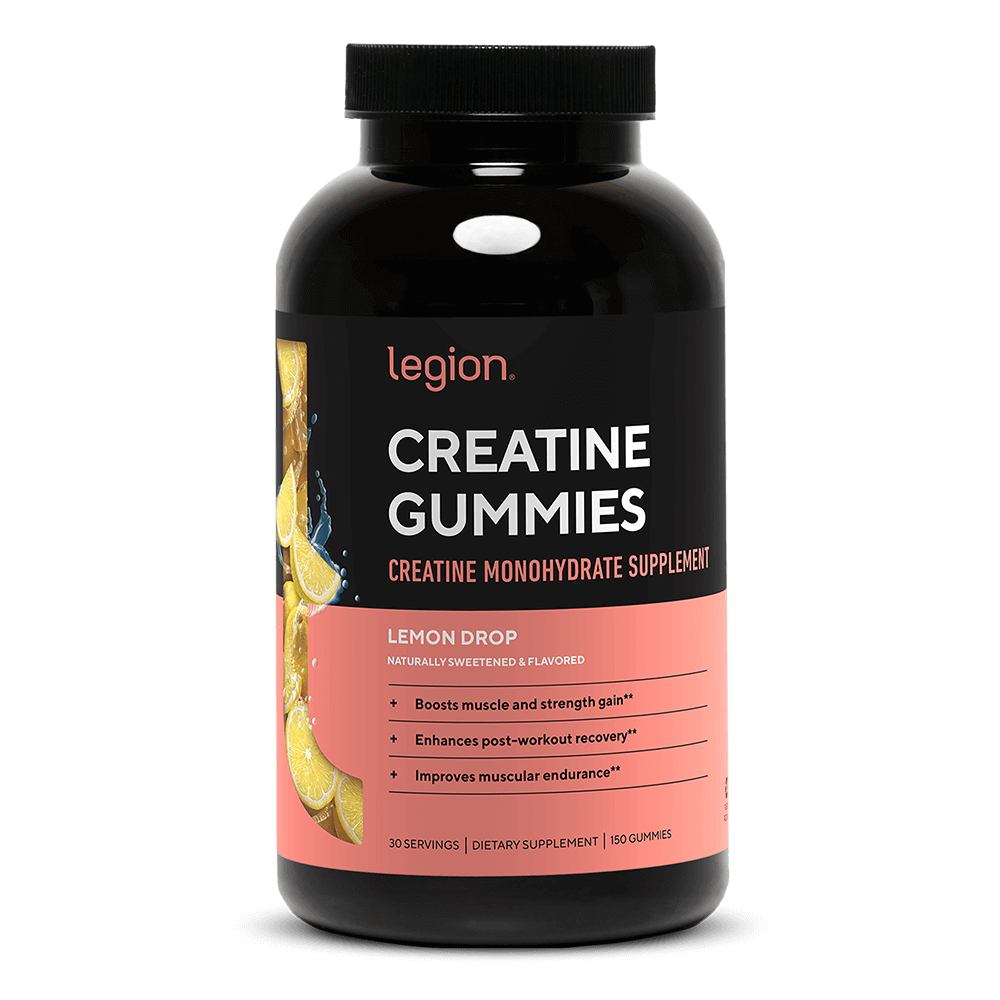
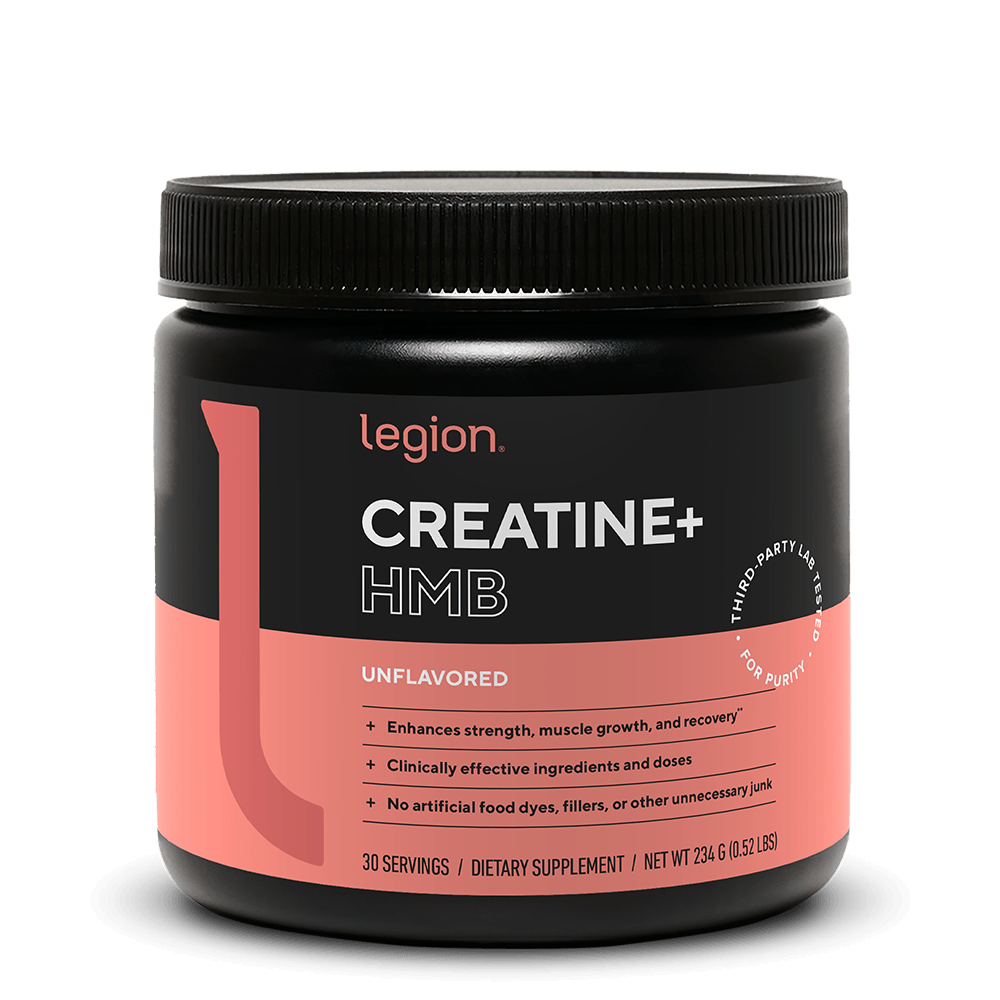
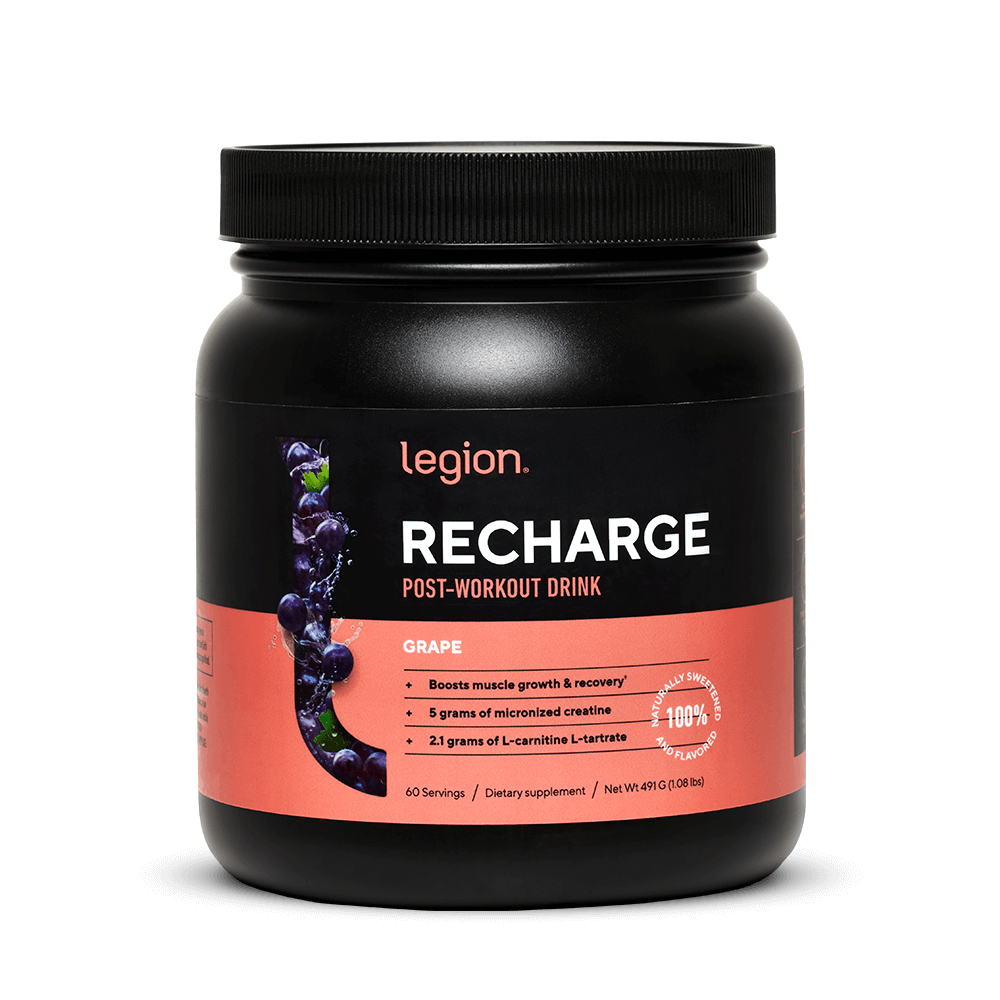
Disclosure: every product here is a Legion product and we earn a commission if you buy through these links, at no extra cost to you. The link is what credits us; the code is what gets you the discount, so use both. Our dosing guidance comes from published human trials and is not changed by the commission.
Evidence-based beginner and intermediate guide.
Explore ->Ranked recommendations and affiliate product options.
Explore ->Compare benefits, timing, dosage and alternatives.
Explore ->Practical answers to common questions.
Explore ->The evidence-backed maintenance dose is 3–5g per day. A loading phase (20g/day split into 4×5g doses for 5–7 days) reaches muscle saturation faster but isn't necessary — daily 5g supplementation achieves full saturation in 3–4 weeks. After loading, drop to 3–5g/day. No cycling required; continuous use is safe and more effective.
Timing is less critical than consistency. Post-workout creatine with carbohydrates + protein shows marginally superior uptake in some RCTs (insulin-driven creatine transport). Pre-workout is also effective. On rest days, take it any time. The most important factor is taking it daily without skipping — don't overthink timing.
Yes — creatine is an osmolyte that draws water into muscle cells (intracellular water, not subcutaneous). This causes an initial 0.5–2kg weight gain in the first 1–2 weeks, which is muscle hydration, not fat or subcutaneous edema. Over time, this intramuscular hydration is associated with enhanced protein synthesis. It does not cause the 'bloated' look.
Yes. Over 500 published studies support creatine's safety. Long-term RCTs (up to 5 years) show no adverse effects on kidney, liver, or cardiovascular function in healthy adults. The myth of kidney damage comes from case reports in people with pre-existing conditions. Healthy people at 3–5g/day have no documented safety concerns.
Creatine monohydrate is the gold standard — it has 95%+ of the RCT data and works. HCL (hydrochloride) is more water-soluble and may reduce GI discomfort for sensitive users, but has no superiority data for muscle gains. Kre-Alkalyn, buffered, and other forms have no advantage over monohydrate. Unless you have GI issues with monohydrate, there's no reason to pay more for other forms.