Omega-3
Guides, research reviews, comparisons, product recommendations and FAQs for omega-3.
Which fish oil to buy
Most bottles advertise grams of fish oil, not grams of EPA and DHA, which is how a large number on the front becomes a small dose in the softgel. The comparison page reads the two numbers that matter on each label.
See the fish oil labels compared →Where we send readers now
We no longer earn commission on any competing supplement brand on this page. The only supplement link we earn from is Legion, below — so you can weigh our ranking above knowing exactly where our money comes from.
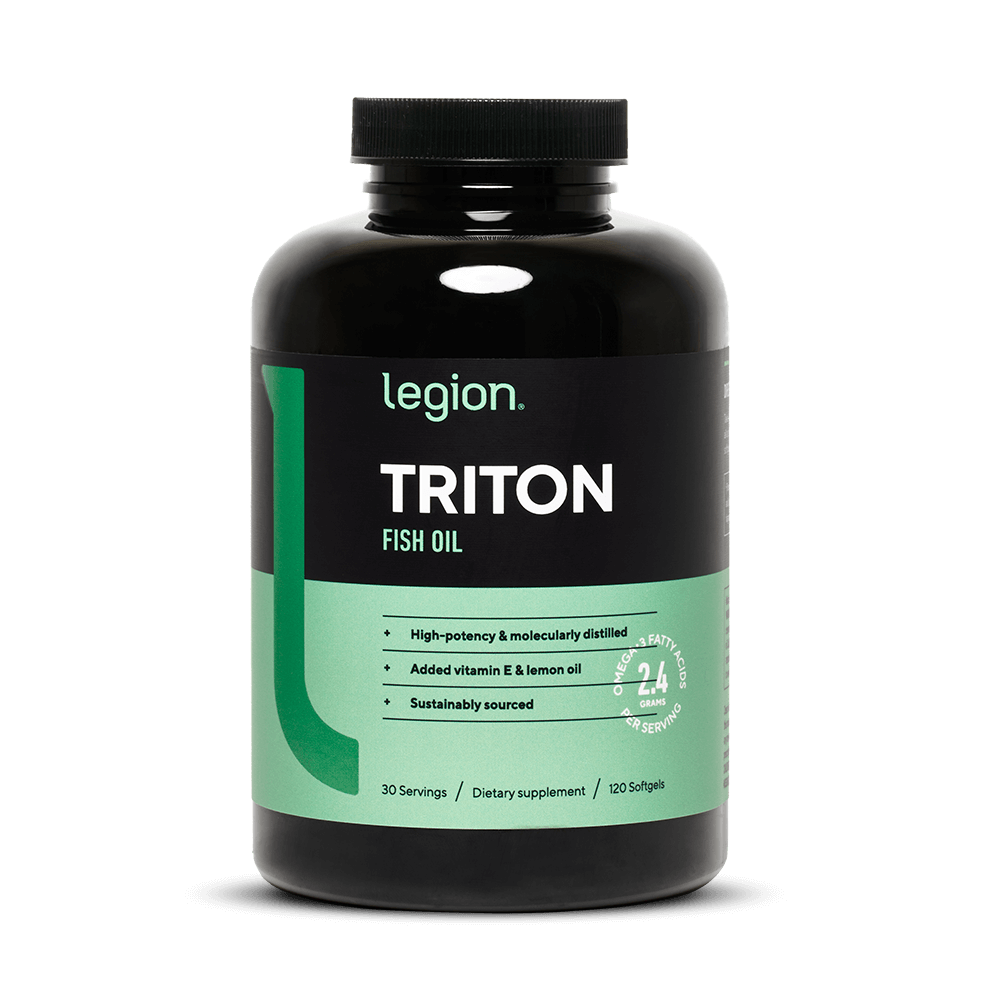
- Triglyceride-form omega-3
- Third-party tested
- Every dose disclosed
Disclosure: The Iron Verdict earns a commission on purchases made through the Legion link and code above, at no extra cost to you. We were not paid to rank any product on this page, and the ratings above were written before this partnership existed.
Start with Omega-3
Omega-3 Guide
Evidence-based beginner and intermediate guide.
Explore ->Best Omega-3 Products
Ranked recommendations and affiliate product options.
Explore ->Omega-3 Comparisons
Compare benefits, timing, dosage and alternatives.
Explore ->Omega-3 FAQs
Practical answers to common questions.
Explore ->What the Research Says
Frequently Asked Questions
How much omega-3 per day?
For general health: 1–2g EPA+DHA daily covers most cardiovascular and anti-inflammatory benefits. For therapeutic use (joint pain, hypertriglyceridemia, depression): 2–4g EPA+DHA/day under medical guidance. The label shows 'omega-3' (total) vs EPA+DHA content — prioritize the EPA+DHA number, not the total fish oil amount. A 1000mg fish oil softgel typically provides only 300mg EPA+DHA.
Fish oil triglyceride vs ethyl ester — does it matter?
Yes, significantly. Triglyceride (TG) form has ~70% better absorption than ethyl ester (EE) form. Most cheap fish oils use EE form due to lower production cost. Look for 'triglyceride form' or 're-esterified triglycerides' on the label. Nordic Naturals, Carlson, and Sports Research use TG form. If taking EE form, take with a high-fat meal to close the absorption gap.
What is the difference between EPA and DHA?
EPA (eicosapentaenoic acid) is primarily anti-inflammatory — it competes with arachidonic acid, reducing pro-inflammatory eicosanoids. Best for: cardiovascular health, depression, exercise recovery. DHA (docosahexaenoic acid) is structural — it makes up ~40% of polyunsaturated fatty acids in the brain and retina. Best for: cognitive function, fetal brain development, vision. For general health, a roughly equal EPA:DHA ratio is fine. For depression, higher EPA ratio (2–3:1 EPA:DHA) shows stronger evidence.
Can I get enough omega-3 from food?
Yes, if you eat fatty fish 2–3×/week. Sardines (1 can: ~1800mg EPA+DHA), wild salmon (3oz: ~1500mg), mackerel (3oz: ~2200mg). ALA from plant sources (flaxseed, walnuts, chia) converts poorly to EPA/DHA (<10% conversion in most adults) — not a substitute. Vegans/vegetarians need algae-derived DHA/EPA supplements, which are the original source fish accumulate their omega-3 from.
Does omega-3 help with muscle recovery?
Yes — via anti-inflammatory mechanisms. EPA+DHA supplementation (2–3g/day) has been shown to reduce exercise-induced DOMS, muscle damage markers (CK, LDH), and inflammatory cytokines post-exercise. The anabolic mechanism (mTORC1 sensitization to amino acids, per Smith et al.) adds a second recovery benefit. 3–4 weeks of supplementation before a demanding training block is a reasonable priming strategy.