What You'll Learn
Table of Contents
What Muscle Hypertrophy Is
Muscle hypertrophy is an increase in muscle fiber size over time. For lifters, it is mostly built through repeated exposure to challenging resistance training, enough weekly work and recovery that lets the body adapt.
The local NotebookLM pack contained one review about concurrent training and interference. That is relevant, but too narrow for a full hypertrophy guide. This article therefore uses broader resistance-training consensus while still addressing the interference question directly.
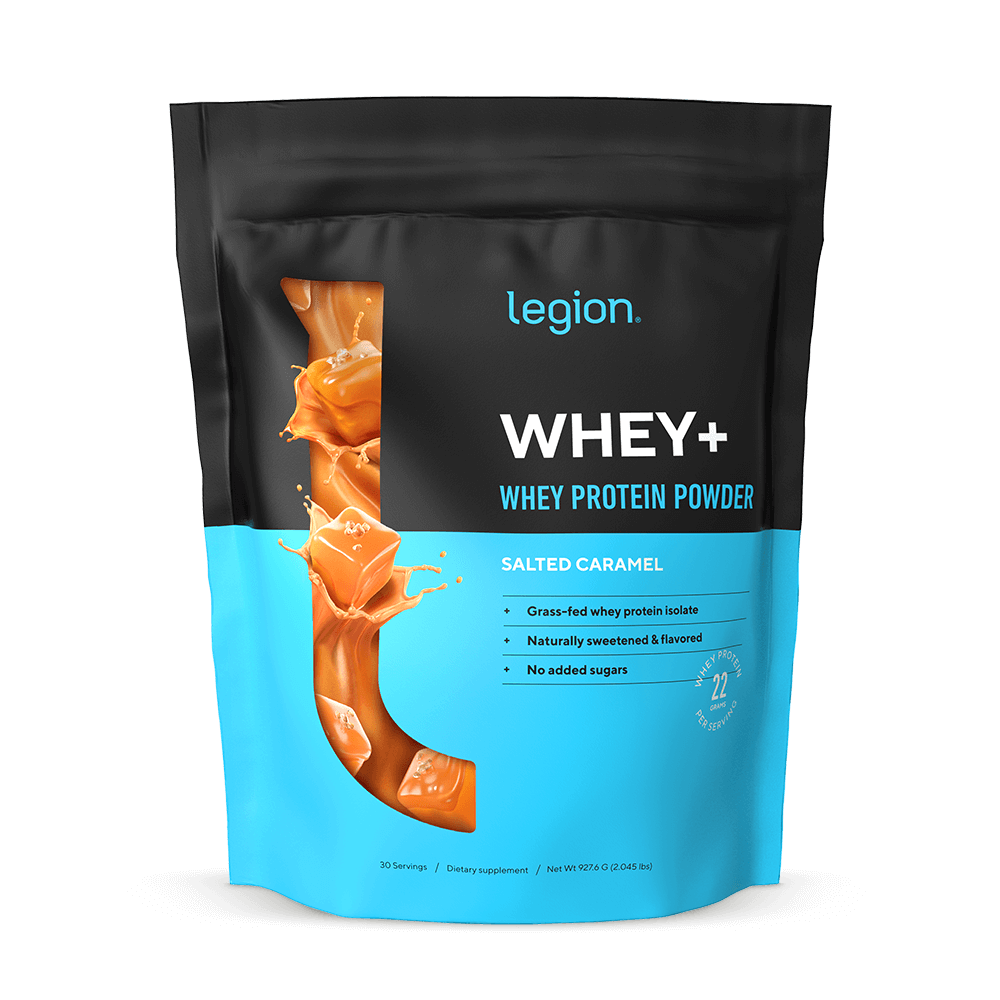
Legion Whey+
- 22 g protein per serving
- Whey isolate, not concentrate
- Third-party tested by Labdoor
- No artificial sweeteners, flavors or dyes
- 4.63/5 from 12,124 reviews
With a subscription $48.74 — $1.62 per dose
A true isolate rather than a concentrate, Labdoor-tested, with no artificial sweeteners. A premium price for a premium specification.
Check price at Legion →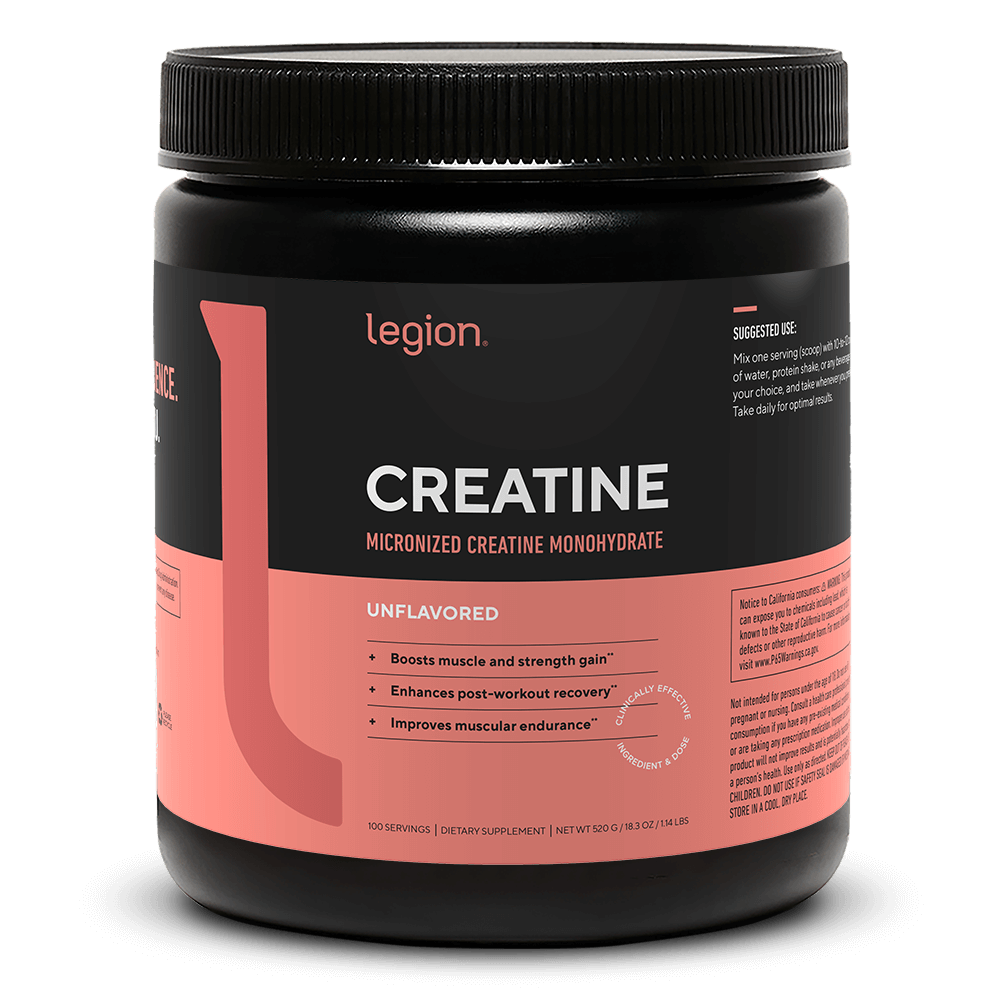
Legion Creatine Monohydrate
- Micronized creatine monohydrate - the form with the evidence
- Third-party tested
- No proprietary blend
Monohydrate is the form with the evidence behind it. What separates one tub from another is purity and testing - this one is third-party tested with every dose on the label.
Check price at Legion →Evidence Rating
Training Variables That Matter
A strong hypertrophy plan uses stable exercises, full ranges of motion when tolerated, enough hard sets and progression over time. Many lifters grow well around 10-20 hard sets per muscle per week, but the right dose depends on recovery and training age.
| Variable | Practical Target | Why It Matters |
|---|---|---|
| Weekly sets | Start around 10 hard sets per muscle | Add volume only if recovery and progress justify it. |
| Reps | Mostly 5-30 reps | Hypertrophy can occur across a wide rep range if sets are hard. |
| Effort | Usually 0-3 reps in reserve | Closer effort improves stimulus but raises fatigue. |
| Progression | More reps, load or better execution | Progressive overload confirms adaptation. |
Does Cardio Interfere With Hypertrophy?
Concurrent training does not automatically kill gains. The interference risk rises when endurance work is very high volume, high impact, poorly timed or recovery-limited. Cycling and low-impact conditioning are usually easier to combine with hypertrophy than large amounts of hard running.
Nutrition for Muscle Growth
Training creates the signal; food supplies the materials. Aim for adequate calories, enough protein, enough carbohydrate to train hard and enough dietary fat for general health. Whey protein is useful if it helps you hit the protein target. Creatine is the most reliable supplement add-on for strength and lean mass support.
Useful Muscle Growth Supplements
Disclosure: some links on this page earn us a commission, at no extra cost to you. Products are chosen on what is printed on the label against the doses used in published research, and the pages say where a product falls short — including the ones we earn from.
What we use
Whey and creatine are the two supplements with enough evidence to matter for hypertrophy. Here is what we use.
Disclosure: every product on this page is a Legion product and we earn a commission if you buy through these links, at no extra cost to you. We do not earn anything from any other supplement brand. The link is what credits us; the code is what gets you the discount, so use both. Our dosing guidance is drawn from published human trials and is not changed by the commission.
FAQ
What is the main driver of hypertrophy?
Mechanical tension from hard resistance training is the primary stimulus, supported by enough volume, progressive overload, calories, protein and recovery.
How many sets per muscle per week?
Many lifters grow well around 10 to 20 hard sets per muscle per week, adjusted by recovery, training age and exercise selection.
Do I need to train to failure?
Not always. Training close to failure is useful, especially on safer isolation exercises, but constant failure can increase fatigue.
Can cardio kill gains?
Reasonable cardio does not automatically kill hypertrophy. Interference risk rises when endurance volume, impact and fatigue are high and recovery is poor.
What supplements matter most?
Protein adequacy and creatine have the strongest practical role. Caffeine can help performance; beta-alanine is more niche.
Scientific References
- Skeletal Muscle Hypertrophy with Concurrent Exercise Training. PubMed PMID: 26932769.
- Schoenfeld BJ, et al. Resistance training volume and hypertrophy meta-analysis. PubMed PMID: 27433992.
- Jager R, et al. ISSN protein and exercise position stand. PubMed PMID: 28642676.
Medical Disclaimer
This article is educational and not medical advice. Adjust training, nutrition and supplementation with a qualified professional if you have medical conditions, medication use, pregnancy, kidney disease, heart disease, eating disorder history or heat illness risk.