What You'll Learn
Where we send readers now
We no longer earn commission on any competing supplement brand on this page. The only supplement link we earn from is Legion, below — so you can weigh our ranking above knowing exactly where our money comes from.
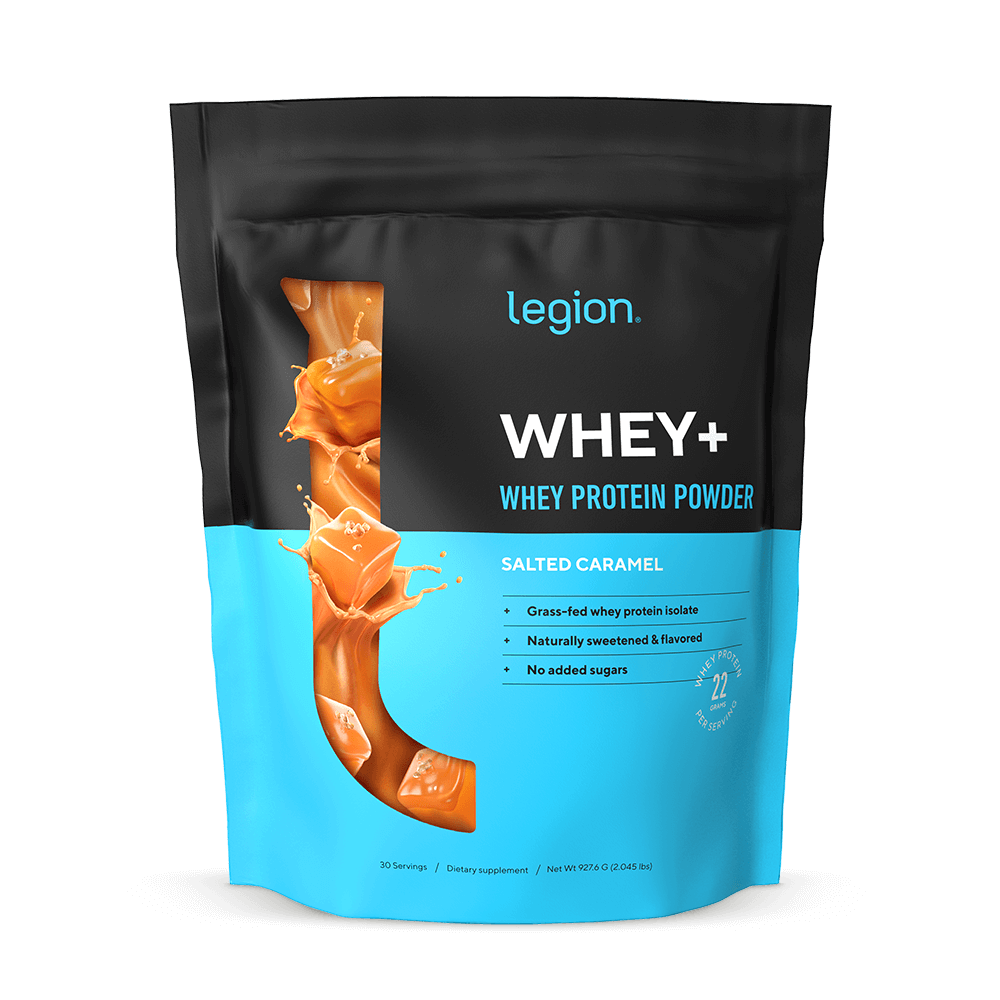
Legion Whey+
- 22 g protein per serving
- Whey isolate, not concentrate
- Third-party tested by Labdoor
- No artificial sweeteners, flavors or dyes
- 4.63/5 from 12,124 reviews
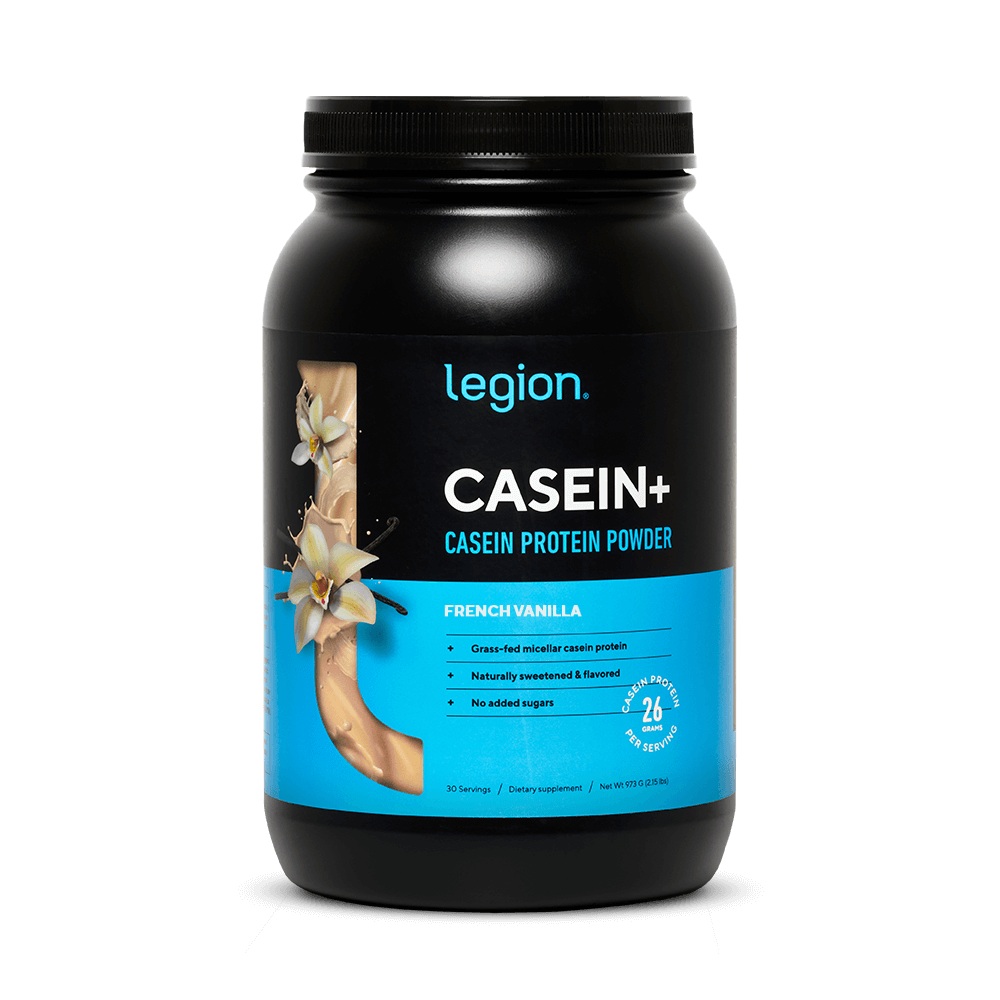
Legion Casein+
- Micellar casein
- No artificial sweeteners
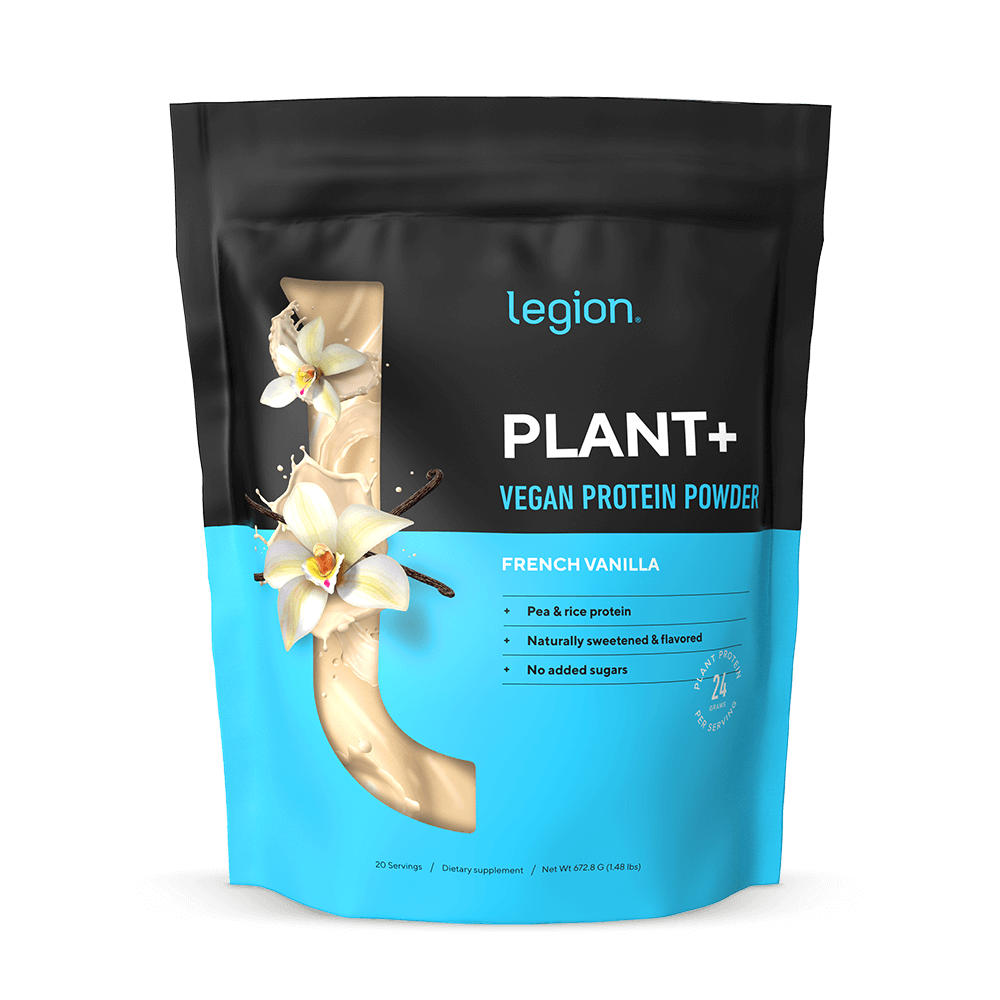
Legion Plant+
- Plant-based protein blend
- No artificial sweeteners
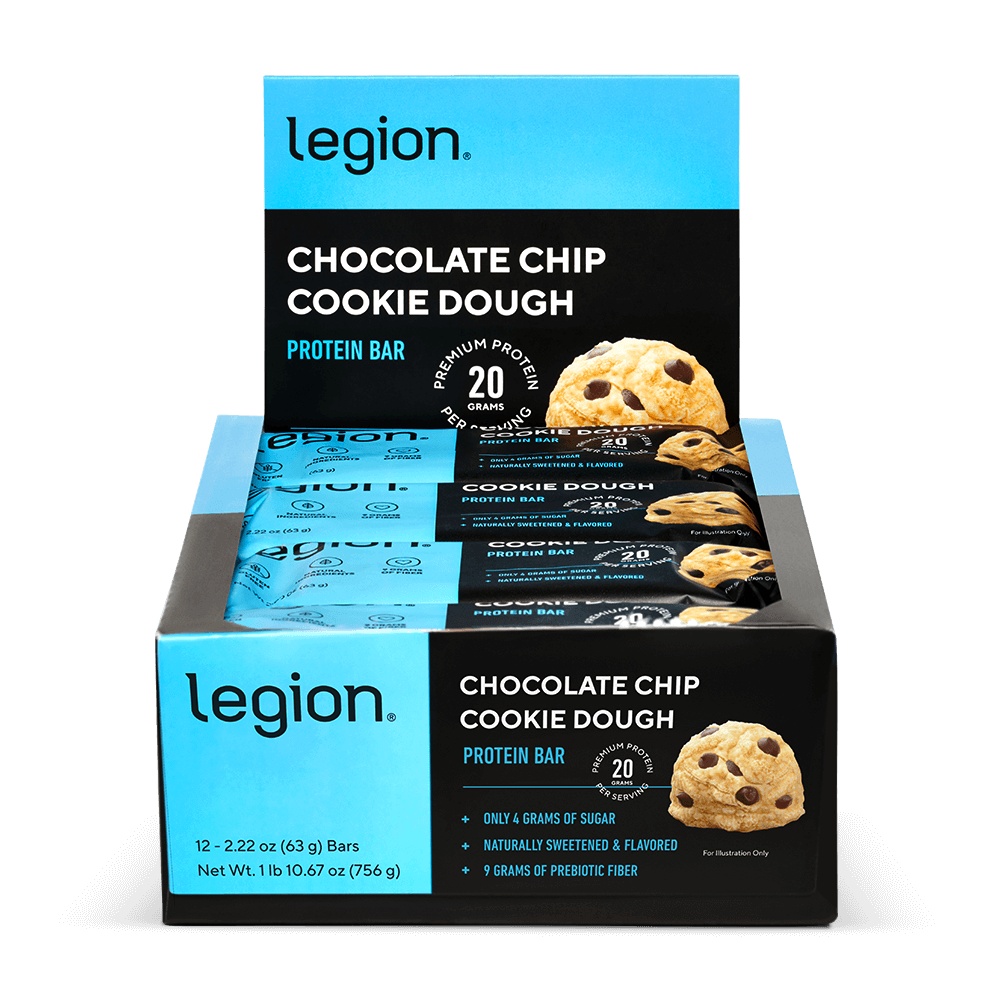
Legion Protein Bars
- No artificial sweeteners or dyes
- Every dose disclosed
Disclosure: every product here is a Legion product and we earn a commission if you buy through these links, at no extra cost to you. The link is what credits us; the code is what gets you the discount, so use both. Our dosing guidance comes from published human trials and is not changed by the commission.
Table of Contents
What Protein Supplementation Is
Protein supplementation means using whey, casein, plant protein, ready-to-drink shakes or protein bars to fill a protein gap. The supplement is not the active magic; the active variable is adequate high-quality protein intake combined with resistance training.
The supplied NotebookLM pack for this topic contained only a low-relevance 1989 clinical trial in renal transplant recipients, so it should not drive recommendations for healthy lifters. For this article, The Iron Verdict gives more weight to the ISSN protein position stand and modern resistance-training meta-analysis evidence.
Evidence Rating
Evidence-Based Dosage
Most lifters should set the daily target first, then decide whether a supplement is needed. The ISSN position stand supports 1.4-2.0 g/kg/day for many exercising individuals, with higher intakes sometimes useful during aggressive dieting.
| Goal | Target | Practical Note |
|---|---|---|
| Muscle gain | 1.4-2.0 g/kg/day | Use whey if meals do not cover it. |
| Dieting | Often toward the higher end | Helps preserve lean mass and satiety. |
| Per meal | 20-40 g high-quality protein | Older adults may need the higher end. |
| Pre-sleep | 30-40 g casein or protein | Optional; useful if it fits the day. |
Timing and Distribution
The old idea that you must drink a shake within minutes is too narrow. Training and protein feeding are synergistic, but the response lasts for many hours. A practical approach is 3-5 protein-rich feedings per day, spaced roughly every 3-4 hours, with one meal or shake near training if convenient.
Side Effects and Safety
Protein powders are generally safe for healthy adults, but digestion, lactose tolerance, sweeteners and total calorie intake matter. People with kidney disease, renal transplant history or prescribed protein restrictions should not use fitness protein targets without medical guidance.
Best Protein Supplements
Disclosure: some links on this page earn us a commission, at no extra cost to you. Products are chosen on what is printed on the label against the doses used in published research, and the pages say where a product falls short — including the ones we earn from.
FAQ
How much protein do I need to build muscle?
For most active people aiming to build muscle, 1.4 to 2.0 g/kg/day is a strong practical range. Around 1.6 g/kg/day is often enough for many lifters, with higher intakes useful in some dieting or high-volume contexts.
Is protein powder necessary?
No. Protein powder is a convenience tool. Use it when whole foods do not cover your target easily.
Is timing important?
Daily total matters most. A protein-rich meal or shake near training is useful, but the anabolic response to training lasts much longer than a tiny post-workout window.
How much protein per meal?
A practical target is 20 to 40 g of high-quality protein, or about 0.25 to 0.4 g/kg depending on body size, age and meal pattern.
Can high protein damage kidneys?
In healthy adults, evidence-based higher-protein diets are generally well tolerated. People with kidney disease or medical protein restrictions need clinician guidance.
Scientific References
- Jager R, et al. International Society of Sports Nutrition Position Stand: protein and exercise. PubMed PMID: 28642676.
- Morton RW, et al. Protein supplementation and resistance training adaptations: systematic review and meta-analysis. PubMed PMID: 28698222.
- Local NotebookLM source pack: ProteinSupplementation_NotebookLM_Source.md; low relevance for healthy fitness readers.
Medical Disclaimer
This article is educational and not medical advice. Adjust training, nutrition and supplementation with a qualified professional if you have medical conditions, medication use, pregnancy, kidney disease, heart disease, eating disorder history or heat illness risk.