What You'll Learn
Where we send readers now
We no longer earn commission on any competing supplement brand on this page. The only supplement link we earn from is Legion, below — so you can weigh our ranking above knowing exactly where our money comes from.
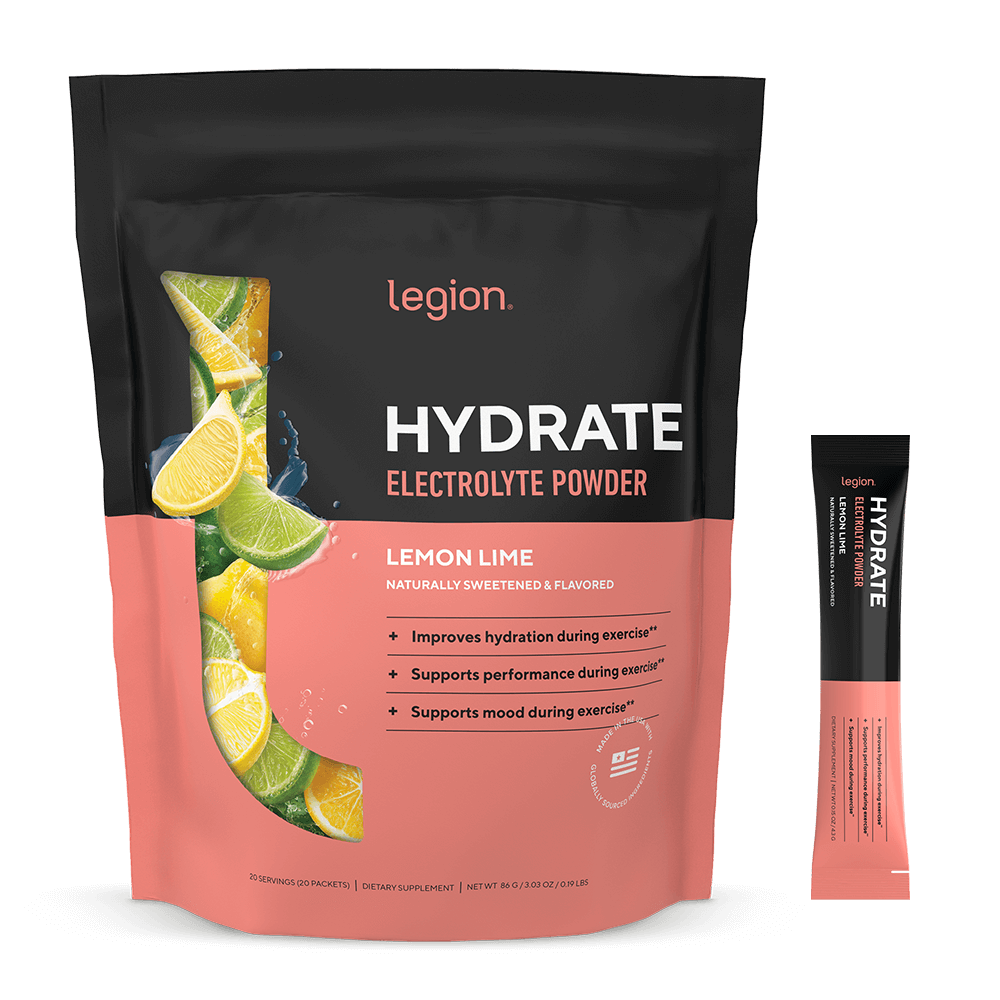
- Every dose disclosed
- No artificial sweeteners
Disclosure: The Iron Verdict earns a commission on purchases made through the Legion link and code above, at no extra cost to you. We were not paid to rank any product on this page, and the ratings above were written before this partnership existed.
Table of Contents
What Sports Hydration Is
Sports hydration is the strategy of managing fluid, electrolytes and sometimes carbohydrate before, during and after training. It depends on session length, sweat rate, temperature, humidity, clothing, body size and intensity.
The local NotebookLM pack included a ginseng hydration study in hot/humid running, but that is not a strong foundation for general hydration recommendations. The practical framework should come from sports medicine fluid replacement guidance.
Evidence Rating
Before Training
Start most sessions normally hydrated. Practical signs include normal thirst, stable body weight and pale-yellow urine. Avoid panic-drinking huge amounts immediately before exercise; that can cause stomach sloshing and unnecessary bathroom trips.
During Training
For short gym sessions, drink to thirst. For long endurance, heat or heavy sweat, use a plan. Track body mass before and after representative sessions: each kilogram lost is roughly one liter of fluid deficit. The aim is not always zero loss, but large losses can reduce performance.
| Context | Hydration Strategy | Additions |
|---|---|---|
| Short lifting | Drink to thirst | Usually no electrolyte product needed. |
| Long endurance | Planned fluid intake | Sodium and carbohydrate often useful. |
| Hot/humid | More frequent drinking | Cooling and pacing matter too. |
| Ultra events | Avoid overdrinking | Monitor sodium, food, pace and symptoms. |
After Training
Rehydration is simplest when you combine fluids, sodium-containing food and time. If another session is soon, be more deliberate. If training is done for the day, normal meals usually handle most replacement needs.
Useful Hydration Products
Disclosure: some links on this page earn us a commission, at no extra cost to you. Products are chosen on what is printed on the label against the doses used in published research, and the pages say where a product falls short — including the ones we earn from.
GU Energy Mix
A carbohydrate drink meant to be consumed during exercise rather than around it, so fuel and fluid arrive in the same bottle.
- Check label and serving size before buying
Skratch Labs
Around 20 g of carbohydrate and 400 mg of sodium per serving, from cane sugar rather than maltodextrin. Checked on the label 2026-08-30.
- Check label and serving size before buying

Tailwind Endurance
Carbohydrate and electrolytes together, sold as a complete fuel so that nothing solid is needed on long efforts.
- Check label and serving size before buying

Maurten 320
A hydrogel carbohydrate drink designed for very high carbohydrate intakes, which is the point of the technology rather than a side effect.
- Check label and serving size before buying
Gatorade Endurance
The endurance formulation, made for long sessions rather than the standard sports-drink use case.
- Check label and serving size before buying
LMNT
A zero-sugar electrolyte stick built around a high sodium dose, aimed at heavy sweaters and at people eating low-carb, who lose more sodium than usual.
- Check label and serving size before buying
FAQ
How much water should I drink before training?
Start hydrated and use thirst, urine color, body mass change and sweat rate as guides. Avoid forcing excessive water.
What is the best hydration strategy for endurance?
Drink to limit large body mass losses while avoiding overdrinking. For long hot sessions, combine fluid with sodium and carbohydrate as needed.
Is clear urine the goal?
Not necessarily. Constantly clear urine can mean overdrinking. Pale yellow is usually a more practical target.
What is hyponatremia?
Hyponatremia is low blood sodium, often linked to overdrinking during prolonged exercise. It can be dangerous.
Do hydration supplements improve performance?
They help when they solve a real fluid, sodium or carbohydrate problem. They do not improve performance if hydration is already adequate.
Scientific References
- Effects of acute supplementation of Panax ginseng on hydration status during endurance running in hot/humid environment. PubMed PMID: 23362734.
- American College of Sports Medicine position stand: Exercise and Fluid Replacement. PubMed PMID: 17277604.
- National Athletic Trainers Association position statement: fluid replacement for the physically active. PubMed PMID: 28537934.
Medical Disclaimer
This article is educational and not medical advice. Adjust training, nutrition and supplementation with a qualified professional if you have medical conditions, medication use, pregnancy, kidney disease, heart disease, eating disorder history or heat illness risk.