Protein Intake for Older Adults: The Evidence-Based Guide
The current RDA of 0.8 g/kg/day was designed to prevent deficiency — not to optimize muscle preservation, physical function, or healthy aging. Here is what meta-analyses across 715,000+ participants actually show.
Key Takeaways
- The standard RDA of 0.8 g/kg/day is a minimum floor — meta-analyses consistently show better physical outcomes above this threshold.
- 1.0–1.2 g/kg/day is the most defensible evidence-based target for generally healthy adults over 50.
- 1.2–1.5 g/kg/day is appropriate for those at high sarcopenia risk, actively resistance training, or in caloric deficit.
- Physical function (SPPB, walking speed, lower-limb strength) shows the strongest and most consistent evidence signal for high protein intake.
- Longevity outcomes are source-dependent, not quantity-dependent — plant protein is associated with lower all-cause mortality.
- Total daily protein intake matters more than timing or frequency of distribution.
- Protein + resistance training is the gold standard — the benefits of protein alone without exercise are substantially smaller.
- Leucine-rich protein specifically improves strength and performance in adults already experiencing sarcopenia.
Why the RDA Falls Short for Aging Adults
The Recommended Dietary Allowance of 0.8 g of protein per kilogram of body weight per day was established to prevent deficiency in the average adult. It was not derived from studies optimizing muscle preservation, physical performance, or healthy aging in older populations.
🎯 Recommended Products
Vê os produtos que recomendamos com base na evidência científica
As we age, several physiological changes make the RDA an increasingly inadequate target. First, older adults exhibit anabolic resistance — a blunted muscle protein synthesis response to any given dose of dietary protein compared to younger adults. This means older muscle requires a higher leucine signal and a higher absolute protein dose to achieve the same anabolic response. Second, age-related hormonal changes (declining IGF-1, growth hormone, and testosterone) further reduce the anabolic sensitivity of skeletal muscle. Third, many older adults have reduced appetite, impaired digestion, and lower overall energy intake — making it harder to achieve even the modest RDA in practice.
The cumulative result is a population where the nominal minimum is rarely the optimal target, and where increasing protein intake above the RDA is consistently associated with better outcomes in the research literature.
Where we send readers now
We no longer earn commission on any competing supplement brand on this page. The only supplement link we earn from is Legion, below — so you can weigh our ranking above knowing exactly where our money comes from.
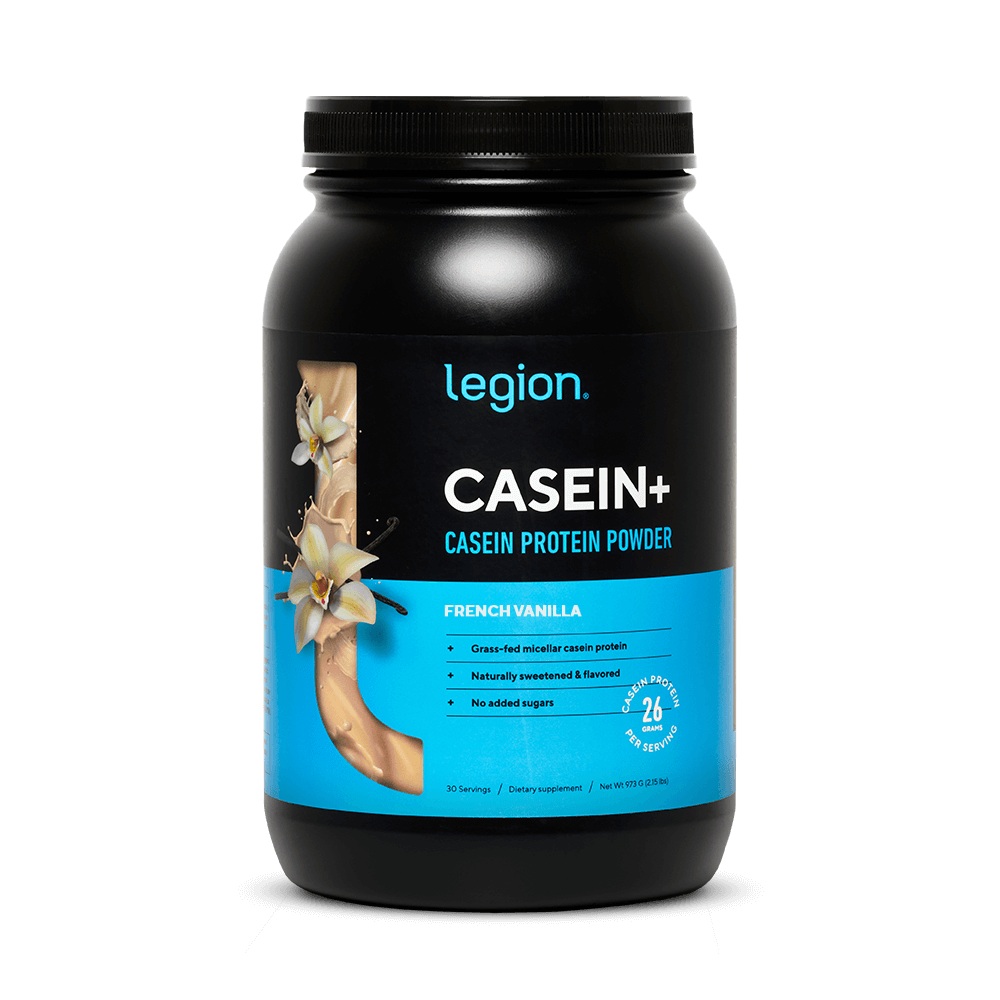
Legion Casein+
- Micellar casein
- No artificial sweeteners
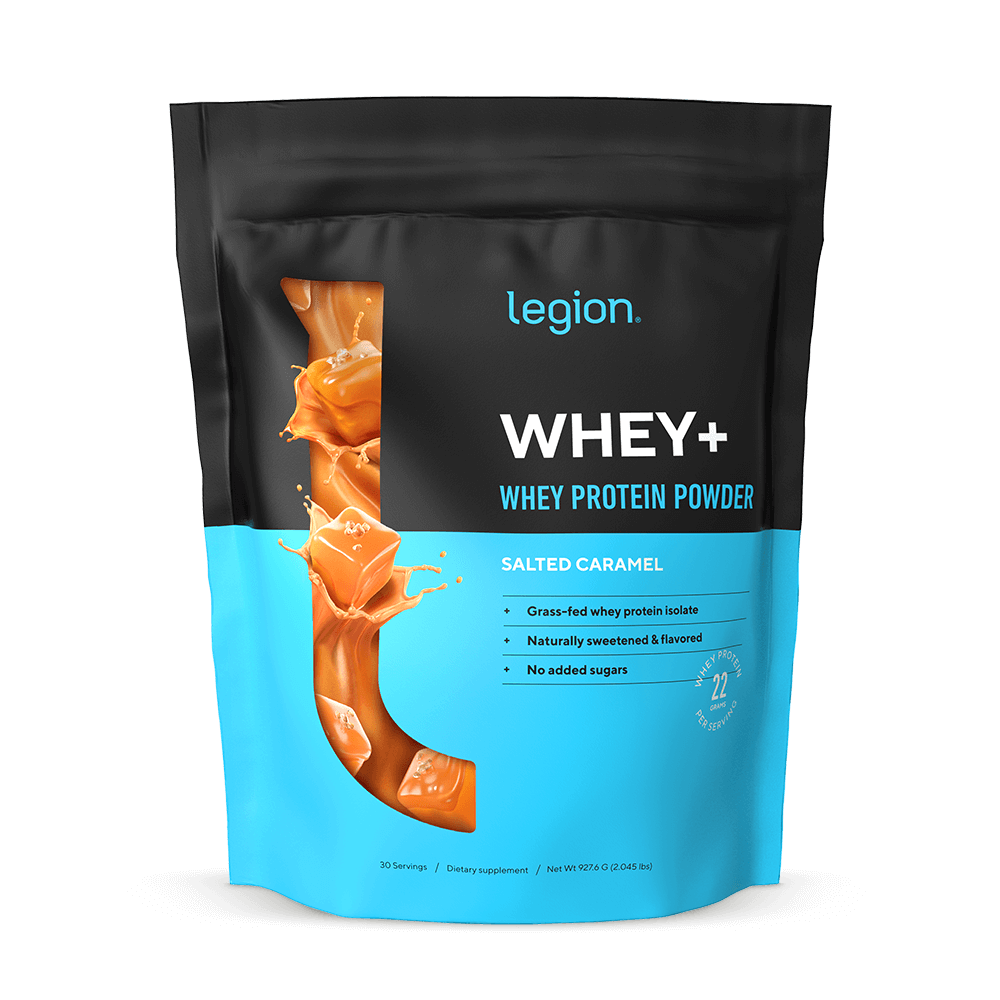
Legion Whey+
- 22 g protein per serving
- Whey isolate, not concentrate
- Third-party tested by Labdoor
- No artificial sweeteners, flavors or dyes
- 4.63/5 from 12,124 reviews
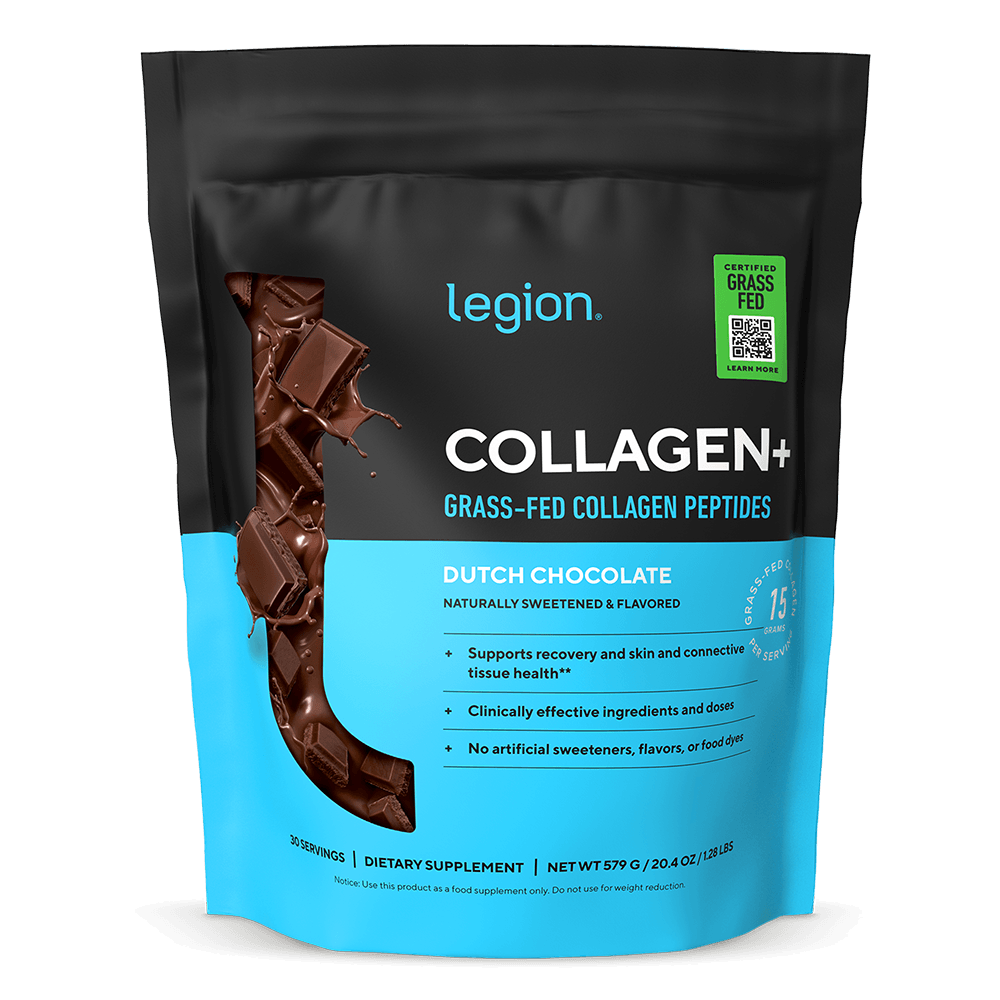
Legion Collagen+
- Grass-fed collagen peptides
- Every dose disclosed
Disclosure: every product here is a Legion product and we earn a commission if you buy through these links, at no extra cost to you. The link is what credits us; the code is what gets you the discount, so use both. Our dosing guidance comes from published human trials and is not changed by the commission.
(Naghshi et al. 2020)
(Coelho-Júnior et al. 2022)
g/kg/day Most defensible evidence-based target for adults over 50
The Evidence: What the Meta-Analyses Show
The current scientific landscape is shaped by several high-quality systematic reviews and meta-analyses, each addressing a distinct outcome domain: physical function, muscle mass, sarcopenia, and longevity.
Coelho-Júnior and colleagues (2022) conducted the most comprehensive analysis of protein and physical performance, pooling 31 studies encompassing 23,756 participants. Their findings showed that protein intake above the RDA was associated with better Short Physical Performance Battery (SPPB) scores — a standardized composite measure of lower-limb function — with a standardized mean difference of 0.63. This is a clinically meaningful effect size in the context of functional aging outcomes.
Naghshi et al. (2020) examined the relationship between protein intake and all-cause mortality across 32 prospective studies encompassing 715,128 participants. Their finding — that total protein quantity was not consistently linked to mortality, but plant protein source was specifically associated with lower all-cause and cardiovascular mortality — is among the most important findings for translating this research into practical recommendations.
Key Meta-Analyses at a Glance
| Study | Scope | Key Finding | Evidence Quality |
|---|---|---|---|
| Coelho-Júnior et al. 2022 | 31 studies, 23,756 participants | Protein >RDA linked to better SPPB performance and lower-limb strength. SPPB: SMD 0.63 | Moderate |
| Naghshi et al. 2020 | 32 studies, 715,128 participants | Total protein not linked to mortality. Plant protein reduces all-cause mortality. Animal protein may increase T2D risk | Moderate |
| Hettiarachchi et al. 2024 | 38 studies, ~3,950 participants | Protein supplementation modestly increases muscle mass in community-dwelling older adults. SMD 0.116 kg | Moderate |
| Lee et al. 2022 | 6 RCTs, 699 participants (sarcopenic) | Leucine-rich protein supplements significantly improve strength and physical performance in sarcopenic older adults | Moderate |
| Lv et al. 2022 | Umbrella review (millions) | 5% energy increase from animal protein = 12% higher T2D risk. Plant protein associated with lower all-cause mortality | Moderate |
Protein and Physical Function
Physical function — how well you move, balance, rise from a chair, and perform daily tasks — shows the most consistent and clinically meaningful evidence signal in the protein–aging literature.
The Coelho-Júnior 2022 meta-analysis found that adults consuming protein above the RDA (specifically at high intake ≥1.0 g/kg/day) showed consistently better lower-limb performance, faster walking speeds, and better balance scores. The SPPB standardized mean difference of 0.63 is considered clinically relevant — differences of 0.5 or more on the SPPB are associated with meaningful changes in fall risk, hospitalization, and independence in older adults.
It is important to note that the majority of these findings are cross-sectional — they show that individuals who eat more protein currently have better function, but they do not definitively prove that increasing protein intake prospectively slows functional decline. The observational nature of much of this literature is its primary limitation.
Protein and Muscle Mass
The signal for protein supplementation increasing muscle mass in older adults is present but modest. Hettiarachchi et al. (2024), pooling 38 studies on protein supplementation in community-dwelling adults, found a standardized mean difference of 0.116 kg in lean mass — statistically significant but representing a relatively small absolute gain.
This modest effect size has a straightforward interpretation: protein supplementation alone, without resistance training, produces small but real gains in lean mass. The effect is substantially amplified when protein is combined with a structured resistance training program. Studies examining protein plus resistance training consistently show larger lean mass and strength outcomes than either intervention alone.
A key practical implication: if you are supplementing protein but not training, you are capturing only a fraction of the potential benefit.
Protein and Sarcopenia Prevention
There is a consistent epidemiological association between lower protein intake and sarcopenia diagnosis — older adults with sarcopenia generally consume less protein than their healthy peers. Coelho-Júnior et al. (2022c) confirmed that protein intake above the RDA is associated with lower rates of sarcopenia in cross-sectional data.
However, the causal direction is difficult to establish. It is plausible that sarcopenic individuals eat less protein because of reduced appetite, impaired swallowing, reduced mobility (limiting food access), or systemic disease — meaning the low protein may partly be a consequence of sarcopenia rather than its cause.
Lee et al. (2022) provided more direct evidence: in 6 RCTs specifically enrolling adults already diagnosed with sarcopenia, leucine-rich protein supplementation significantly improved both muscle strength and physical performance. This suggests that in the context of established sarcopenia, targeted leucine-rich protein supplementation has genuine therapeutic value.
The evidence verdict for protein preventing sarcopenia in a causal sense remains low-to-moderate pending larger, longer-duration randomized trials with pre-sarcopenic populations.
Protein and Longevity: A Source Question, Not a Quantity Question
The most counterintuitive finding in the protein–aging literature is that total protein quantity is not what drives longevity outcomes. Naghshi et al. (2020), analyzing 715,128 participants, found that total dietary protein intake was not consistently associated with all-cause, cardiovascular, or cancer mortality.
What mattered was source. Plant protein was specifically and consistently associated with lower all-cause and cardiovascular mortality. Animal protein, when consumed at high levels (as a percentage of total energy), was associated with adverse metabolic signals — particularly an elevated risk of type 2 diabetes. Lv et al. (2022), in an umbrella review, quantified this: each 5% increase in energy from animal protein was associated with a 12% higher T2D risk.
This creates a nuanced practical picture: for muscle preservation and physical function, leucine-rich animal proteins (whey, eggs, meat) have clear advantages. For longevity, plant protein sources are associated with better outcomes. The resolution is not to choose between them arbitrarily, but to build a diet emphasizing plant protein as the foundation while ensuring sufficient leucine-adequate intake for muscle synthesis — a goal achievable through thoughtful combination of legumes, soy, and selective high-quality animal proteins.
How Much Protein Do Older Adults Need?
Based on the current evidence, the following targets represent the most defensible evidence-based recommendations:
Healthy Adults Over 50 (Low Sarcopenia Risk)
1.0–1.2 g/kg/day. This is the most widely supported evidence-based range for generally healthy older adults. Consistently associated with better physical performance and lower-limb strength. Achievable through diet alone for most people with moderate food variety.
Adults Over 60 at Risk, Actively Training, or in Caloric Deficit
1.2–1.5 g/kg/day. Appropriate for individuals with early sarcopenia signs, those undergoing active resistance training, those restricting calories for weight loss, or those recovering from illness. Higher leucine-rich protein sources are particularly relevant here.
Adults with Established Sarcopenia
1.2–1.5 g/kg/day of leucine-rich protein, combined with resistance training twice per week. This is the protocol most consistently supported by RCT evidence in sarcopenic populations (Lee et al. 2022).
A practical note: targets should be calculated from body weight, not caloric intake percentage. A 70 kg adult at 1.2 g/kg/day needs 84 g of protein — achievable through a combination of whole foods and supplementation if needed.
Protein Quality: Plant vs. Animal for Aging
Protein quality in the context of aging is most usefully thought of across two dimensions: the muscle-building dimension and the longevity dimension.
For Muscle Preservation
Animal proteins — whey, eggs, fish, lean poultry — have higher biological value for muscle protein synthesis. They contain all essential amino acids in optimal ratios and deliver high leucine content per gram. Whey protein specifically has the highest leucine density and fastest absorption kinetics of any common protein source, making it the most-studied and most effective supplement for maximizing the muscle protein synthesis response in older adults.
Plant proteins individually tend to have lower biological value due to limiting amino acids (e.g., lysine in wheat, methionine in legumes). However, complementary plant protein combinations — legumes with grains, soy — can provide complete amino acid profiles, and soy protein specifically has a leucine content approaching that of whey.
For Longevity
As discussed, plant protein is the source most consistently associated with lower all-cause and cardiovascular mortality in large prospective cohorts. Legumes, lentils, tofu, tempeh, and other plant sources deliver protein with accompanying fiber, phytochemicals, and a metabolic profile associated with lower inflammation and lower T2D risk.
The Practical Synthesis
A diet emphasizing plant protein sources as the foundation — legumes, lentils, tofu, tempeh, edamame — while including sufficient leucine-rich animal or isolated soy/whey protein for muscle protein synthesis optimization covers both domains effectively. This is not an argument against animal protein; it is an argument for dietary balance rather than relying exclusively on animal sources.
Leucine: The Anabolic Trigger for Aging Muscle
Leucine deserves specific attention in the context of aging because it is the primary initiator of muscle protein synthesis through the mTOR/S6K1 signaling pathway. It acts as a sensor that signals nutrient sufficiency to muscle cells, triggering the anabolic machinery.
Older adults have a higher leucine threshold — they require a larger absolute dose of leucine per meal to achieve the same muscle protein synthesis response as younger adults. This is a well-documented component of anabolic resistance in aging. The practical implication: in older adults, higher protein doses per meal (30–40 g of high-quality protein, providing ~2.5–3 g of leucine) produce more robust MPS responses than the smaller doses (20 g) that are effective in younger individuals.
Lee et al. (2022) provided direct RCT evidence: in 6 trials of 699 sarcopenic adults, leucine-rich protein supplements significantly improved muscle strength and physical performance. This is the most direct trial evidence for specific protein targeting in the sarcopenic population.
Whey protein has the highest leucine content of any common protein source (~11–12% leucine by mass), making it particularly suitable for older adults targeting muscle preservation.
Why Protein Alone Is Not Enough: The Resistance Training Multiplier
The most consistent message across the protein–aging literature is that protein plus resistance training is the gold standard — and protein without resistance training captures only a fraction of the potential benefit.
Resistance exercise creates the mechanical signal that directs muscle protein synthesis toward hypertrophy rather than simply replacing degraded proteins. Without this signal, excess dietary protein is largely oxidized or converted to glucose/fat rather than directed toward net muscle protein accretion. Meta-analyses comparing protein supplementation alone vs. protein plus resistance training consistently show that the combined intervention produces substantially larger effects on lean mass, strength, and physical performance.
This does not mean protein is irrelevant without training — even sedentary older adults show modest lean mass gains from supplementation (Hettiarachchi et al. 2024). But the amplification from adding resistance training is so large that the practical recommendation is unambiguous: protein targets and resistance training are both necessary, not optional, for optimal muscle preservation outcomes.
For evidence on how resistance training directly reduces mortality risk, see: Muscular Strength as a Predictor of All-Cause Mortality.
Best Protein Sources for Healthy Aging
Animal Sources (High Leucine, High Bioavailability)
Whey protein (~11g leucine/100g protein), eggs (~8.5g/100g), fish, lean chicken breast, and Greek yogurt provide the highest biological value for muscle protein synthesis. These are the optimal choices when the primary goal is maximizing muscle anabolic response per gram of protein consumed.
Plant Sources (Longevity-Favorable)
Edamame and soy protein isolate have the highest leucine content among plant sources (~7–8g/100g) and the most complete amino acid profiles. Lentils, chickpeas, black beans, tofu, and tempeh provide substantial protein with beneficial fiber, phytochemicals, and metabolic profiles. Combining a variety of plant protein sources within the same day addresses limiting amino acid concerns.
Practical First-Line Approach
Build the protein foundation from legumes, lentils, and tofu/tempeh daily. Add eggs, fish, or lean poultry 3–4 times per week. Use whey protein supplement post-exercise or when dietary protein targets are difficult to reach through whole foods alone. This approach covers both the muscle-building and longevity dimensions of the evidence.
Calculate Your Daily Protein Needs
Enter your weight, age, and activity level to get a personalized protein target based on the evidence reviewed in this article.
Open Protein Calculator →Limitations of the Current Evidence
Understanding the limitations of this evidence base is important for calibrating how confidently to act on its recommendations.
Observational and Cross-Sectional Design
The majority of the evidence linking protein intake to physical function and muscle mass comes from observational and cross-sectional studies. These show associations, not causation. Higher protein intake is correlated with many other health behaviors — physical activity, better overall diet quality, higher socioeconomic status — that independently predict better aging outcomes.
Measurement Heterogeneity
Studies measure protein intake through food frequency questionnaires, dietary records, or 24-hour recalls — all of which have substantial measurement error. This introduces uncertainty into the dose-response estimates across studies.
Small-Study Effects
Some umbrella reviews have detected small-study effects in the protein supplementation literature, raising the possibility that positive results are over-represented in the published evidence base.
Generalizability
Hospitalized, institutionalized, and very old adults (85+) are underrepresented in the current meta-analyses. The recommendations derived from community-dwelling populations may not transfer directly to the most frail or clinically complex older adults.
Whey Protein for Older Adults
For older adults targeting muscle preservation, whey protein is the most evidence-supported supplement form. Its combination of high leucine content (~11g/100g), complete essential amino acid profile, and fast digestion kinetics makes it the most effective single protein supplement for triggering muscle protein synthesis — particularly when consumed in doses of 30–40 g, the range needed to overcome anabolic resistance in aging muscle.
Whey is not superior to whole-food protein when total daily intake is met. But it is the most practical high-leucine supplement for post-exercise use, for bridging dietary gaps, and for older adults with reduced appetite who struggle to meet targets through food alone.
For the complete evidence review, see our Whey Protein Benefits & Dosage Guide.
Creatine: The Adjunctive Strategy
Creatine monohydrate is complementary to protein in the muscle preservation toolkit for older adults. While protein provides the amino acid substrate for muscle synthesis, creatine provides the phosphocreatine energy buffer that enables higher-quality resistance training — which in turn amplifies the muscle protein synthesis response to that protein.
Multiple RCTs in older adults demonstrate that creatine combined with resistance training produces significantly greater lean mass and strength gains than training alone or protein supplementation alone. The evidence is strong enough that creatine represents one of the few longevity-relevant supplements with direct RCT support in older populations.
For the complete evidence review on creatine and aging, see our Creatine Benefits Guide.
Related Supplements Supported by Current Evidence
Only supplements with a plausible scientific connection to the findings in this review are included.
NOW Vitamin D3 5000 IU
Amplifies the anabolic response to protein and reduces the leucine threshold required to stimulate muscle protein synthesis.
Affiliate disclosure: The Iron Verdict may earn a commission from qualifying purchases at no extra cost to you. Full disclosure →
Relevant Calculators
Free tools to apply these findings to your own situation.
Related Research
Evidence reviews with direct relevance to this topic.
Strength & All-Cause Mortality
How muscular strength predicts survival across 3.1M participants.
Read Review →Muscle Mass & Mortality Risk
Low muscle mass and sarcopenia as independent mortality predictors.
Read Review →#1 Predictor of Longevity
20.9M observations. VO₂ max, grip strength and effect sizes vs. smoking.
Read Review →Healthy Aging Guide
Practical strategies for muscle and metabolic health in older adults.
Read Review →Protein, Aging & Muscle Preservation — FAQ
Is the 0.8 g/kg/day protein RDA sufficient for older adults?
For most older adults, 0.8 g/kg/day is a minimum floor for preventing deficiency, not an optimum for preserving muscle and function. Multiple meta-analyses show consistently better physical performance and lower frailty risk above this threshold. The most defensible evidence-based target for healthy older adults is 1.0–1.2 g/kg/day.
How much protein do adults over 60 actually need?
Current evidence supports 1.0–1.2 g/kg/day for generally healthy adults over 60. For those at high sarcopenia risk, actively resistance training, or restricting calories, 1.2–1.5 g/kg/day is more appropriate. These targets should be met through high-quality protein distributed across 3–4 meals, ideally including leucine-rich sources.
Does protein prevent sarcopenia?
There is a consistent association between lower protein intake and sarcopenia, and leucine-rich protein specifically improves strength in sarcopenic adults (Lee et al. 2022, 6 RCTs). However, evidence that protein alone causally prevents sarcopenia in healthy older adults is rated low-to-moderate. Protein combined with resistance training is the most effective strategy supported by current evidence.
Does eating more protein help you live longer?
Total protein quantity is not consistently associated with longer life in meta-analyses of 715,000+ participants. Longevity outcomes are source-dependent: plant protein is associated with lower all-cause and cardiovascular mortality. High animal protein intake may increase type 2 diabetes risk. Focus on plant-forward protein sources for longevity; add leucine-rich sources for muscle preservation.
Is plant or animal protein better for older adults?
For muscle preservation: animal proteins (whey, eggs, fish) have higher leucine content and biological value. For longevity: plant protein is associated with lower mortality. The practical solution is a plant-forward diet emphasizing legumes, lentils, and soy — complemented by selective leucine-rich animal or isolated protein sources to cover the muscle synthesis threshold.
What is leucine and why does it matter?
Leucine is the essential amino acid that triggers muscle protein synthesis through the mTOR pathway. Older adults have a higher leucine threshold due to anabolic resistance — they need a larger dose per meal (~2.5–3 g of leucine) to achieve the same muscle protein synthesis response as younger adults. Whey protein has the highest leucine density of any common protein source at ~11g/100g of protein.
Does protein timing matter — should I eat it right after exercise?
Total daily intake is more important than precise timing. Meeting your protein target across the day drives outcomes more than specific post-exercise windows. Consuming protein within a few hours of resistance training is reasonable and may offer modest additional benefit, but it is not essential if total daily intake is adequate.
Can protein supplements replace whole food protein?
Protein supplements are not superior to whole-food protein when total daily intake is met. However, whey protein is a practical, evidence-supported tool for older adults who struggle to reach targets through diet alone, have reduced appetite, or need a convenient high-leucine post-exercise source. Supplements are a bridge, not a replacement.
Does high protein intake damage kidneys?
In healthy individuals with normal kidney function, current evidence does not demonstrate kidney damage from protein intakes in the 1.0–1.6 g/kg/day range. Individuals with pre-existing kidney disease or reduced GFR should consult a physician before increasing protein intake, as protein restriction may be clinically appropriate in those populations.
Do I need to lift weights to benefit from higher protein intake?
Resistance training dramatically amplifies the benefit of protein for muscle preservation. Without the anabolic stimulus of resistance exercise, excess dietary protein is largely oxidized rather than directed toward net muscle protein accretion. The gold standard is 1.0–1.6 g/kg/day of protein combined with at least 2 resistance training sessions per week. Both components are necessary for optimal outcomes.
What are the best protein sources for healthy aging?
For muscle: whey protein, eggs, fish, lean poultry (highest leucine, best bioavailability). For longevity: legumes, lentils, tofu, tempeh, edamame (plant protein, lower mortality risk). A practical approach combines plant protein as the dietary foundation with selective leucine-rich animal or soy protein sources to cover muscle synthesis requirements.
References
- Coelho-Júnior HJ, et al. (2022a). Protein intake and physical function in older adults: A systematic review and meta-analysis. Ageing Research Reviews. PMID 36087703.
- Coelho-Júnior HJ, et al. (2022b). Protein Intake and Frailty in Older Adults. Nutrients. PMID 35807950.
- Coelho-Júnior HJ, et al. (2022c). Protein Intake and Sarcopenia in Older Adults. International Journal of Environmental Research and Public Health. DOI 10.3390/ijerph19148718.
- Naghshi S, et al. (2020). Dietary intake of total, animal, and plant proteins and risk of all cause, cardiovascular, and cancer mortality: systematic review and dose-response meta-analysis of prospective cohort studies. BMJ. PMID 32451273.
- Hettiarachchi J, et al. (2024). The effect of dose, frequency, and timing of protein supplementation on muscle mass, strength, and physical performance in older adults. Ageing Research Reviews. PMID 38631427.
- Lee SY, et al. (2022). Effects of leucine-rich protein supplements in older adults with sarcopenia: A systematic review and meta-analysis of randomized controlled trials. Archives of Gerontology and Geriatrics. DOI 10.1016/j.archger.2022.104758.
- Lv J, et al. (2022). Dietary protein and multiple health outcomes: An umbrella review of meta-analyses. Clinical Nutrition. PMID 35718016.
- Whaikid P, & Piaseu N. (2024). Effectiveness of protein supplementation combined with resistance exercise on muscle mass and strength in community-dwelling older adults. Epidemiology and Health. DOI 10.4178/epih.e2024030.
- Coelho-Júnior HJ, et al. (2018). Relative Protein Intake and Physical Function in Older Adults: A Systematic Review and Meta-Analysis of Observational Studies. Nutrients. PMID 30235845.